

In the heart of Nairobi County lies Majengo, one of the last surviving pre-colonial informal settlements. Nestled within Pumwani ward of Kamukunji Sub-county, its proximity to the Central Business District makes it both a hub of daily hustle and a battleground for survival.Over the years, the government has made numerous attempts to uplift Majengo’s infrastructure, constructing low-cost high-rise buildings to phase out the slum-like nature of the area. But the deep-rooted social, economic, and cultural challenges remain unshaken.
Majengo is a portrait of resilience painted with the colors of poverty, crime, addiction, and hope. It is a place where survival takes many forms, often desperate ones. The sale and consumption of illicit brews like “Chang’aa” and “Busaa” are as common as the narrow, winding alleyways that crisscross the settlement.Cannabis smoke curls through the air while law enforcement, instead of enforcing order, is known for its unrelenting appetite for extortion. No one complains—it’s part of the system now.
When COVID-19 hit in March 2020, the government-imposed curfew from 5 PM to 6 AM shook the very core of this underground economy. The once-crowded brew dens, usually buzzing with life at all hours, fell eerily silent.The pandemic demanded distancing, masks, and sanitation, all foreign to the lifestyle within Majengo's drinking hubs. These dens, once packed with patrons sharing drinks, smokes, and germs, suddenly became deserted. It was not only the virus threatening lives, hunger, withdrawal, untreated illnesses, and opportunistic criminals made things worse.
Many of Majengo’s residents, living with tuberculosis or HIV, had defaulted on medication. Their bodies, weakened by addiction and disease, could not endure the double burden. Others simply could not function without alcohol. Some were even drugged and robbed. With bars and dens closed, many turned to desperate alternatives. Reports emerged of individuals drinking industrial sanitizers to quiet their withdrawal symptoms.
One such tragic case was that of a woman who collapsed and died in a public toilet. She had defaulted from taking her HIV drugs and instead substituted alcohol for her antiretroviral medication. Her only link to family was her phone, which helped good Samaritans reach her relatives. Her story was not unique—it was the echo of countless untold tragedies in Majengo.
As curfews were slowly lifted and restrictions eased, old habits returned, and with them, the chaos. The dens reopened, more crowded than ever, the police resumed their extortion, and mysterious deaths became routine again. Some dens shut down during the pandemic, only to be replaced by new, more hidden ones. There was a sense that things had not only returned to the way they were but had grown worse.
In an effort to understand the depth of this crisis, we followed up on three local stories: a grieving family, a reformed illicit liquor seller, and a youth now championing the fight against substance abuse.Robert, a former seller of chang’aa, agreed to share his name and journey. “I made more losses than profit,” he admitted. “The police took almost everything in bribes. I was always living in fear.” Today, he runs a modest food stall and lives without constant harassment. “Peace of mind,” he says, “is the best profit I’ve ever made.”
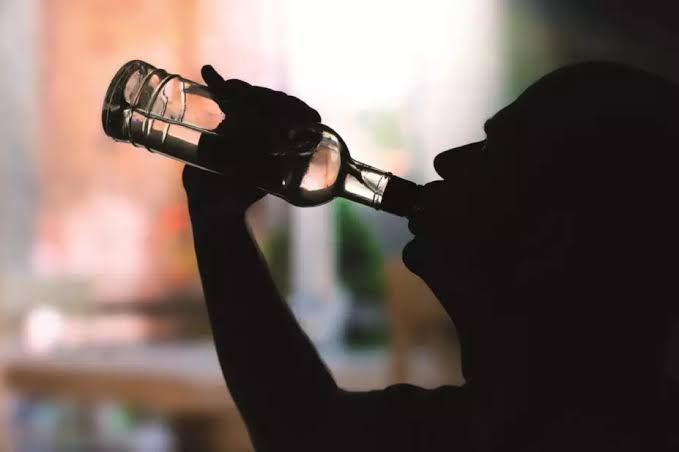
Then there’s the unnamed youth, now a beacon of change. He works quietly but persistently, engaging his peers through candid dialogue. His strategy? He paints vivid portraits of individuals who were once respected—parents, workers, students, now shadows of themselves, addicted and broken. “When I show them real examples, it hits hard,” he says. “Reality speaks louder than lectures.”
Yet, for every Robert or unnamed champion, there are many more who are still lost. Health officers, starting from the community health promoters to public health officials, seem disconnected. Years of exposure to the culture of addiction have normalized it, dulling any sense of urgency or responsibility. The addicts, some with twisted postures and hollow eyes, are now fixtures in the landscape, rarely bathing, their bodies exuding a permanent stench and their minds consumed by thirst.
Unemployment fuels this decay. Majengo’s youth flood the nearby Gikomba market for odd jobs, but the numbers are overwhelming. The struggle for space, resources, and dignity is relentless. Many residents admit they turned to illicit businesses simply to survive. With mental health issues rising alongside trauma and substance abuse, the community finds itself trapped in a painful cycle.
What Majengo needs is not more police patrols or another round of building demolitions. It needs a shift in consciousness. Enforcement alone has failed. A deep, grassroots social transformation is overdue, one that focuses on changing mindsets, empowering individuals, and restoring dignity to a place where hope has been dangerously diluted.The legacy of COVID-19 in Majengo is not just one of illness. It is a reflection of how society neglects its most vulnerable, and how deeply ingrained vices resurface when structural inequalities are ignored. Majengo may have survived the pandemic, but it continues to battle an even older, more insidious virus—one that thrives in the cracks of despair, addiction, and neglect.
By Francis Kinyua