
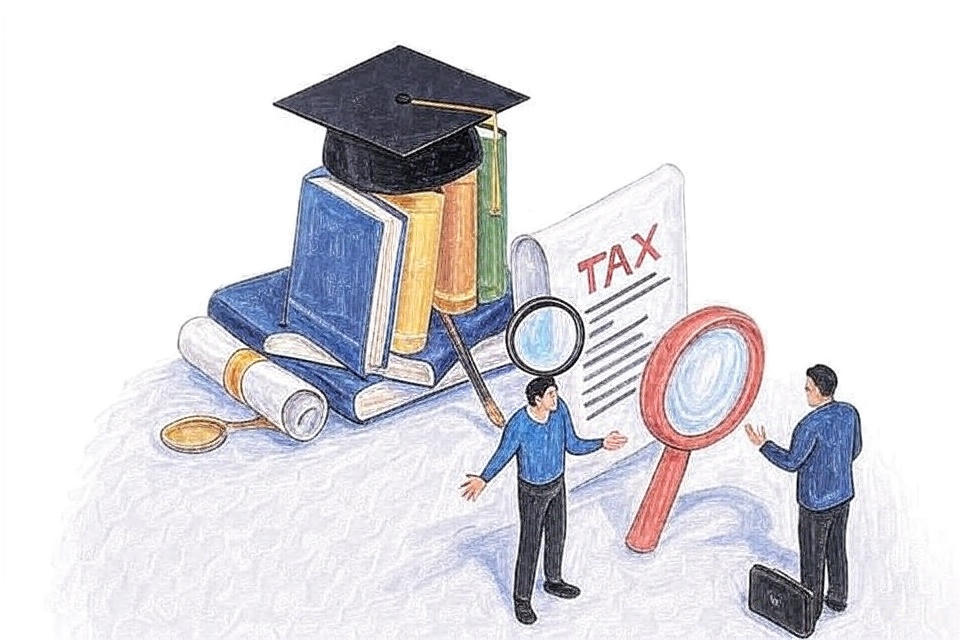
Education Needs More Than Promises
We all agree that education changes lives ,it opens doors, builds confidence, and fuels a nation’s growth. But for many children in Kenya, that dream still feels out of reach.At a recent summit organized by ActionAid Kenya and its partners:Experts,government officials and education advocates came together to unpack a crucial but often overlooked truth;that the future of free and quality education depends on fair taxation and responsible debt management. The discussions echoed the findings of ActionAid’s TaxEd Alliance report, reminding us that education reform isn’t just about schools ;it’s about how we fund them.
The Hidden Link Between Taxes and Classrooms
Taxes are the fuel that keeps a country running. When taxes are collected fairly and spent wisely, our government can fund what really matters ;good teachers, safe classrooms, and learning materials that reach every child.
The problem comes when the system itself is unfair. Too often, ordinary citizens and small businesses pay their share while big corporations and wealthy individuals find ways to avoid theirs. That imbalance drains the resources needed for public services like education.
As highlighted during the ActionAid summit, fair taxation is not just an economic issue — it’s a moral one. The TaxEd Alliance report states:
“Lower-income countries, even those that spend a significant share of their national budgets on education, are unable to fulfil their SDG4 commitments because there is insufficient revenue to fund quality, public education systems.”
In short, you can’t build strong education systems on weak financial foundations.
Debt: The Silent Education Killer
Even with fairer taxes, education budgets are often strangled by rising debt. Many African countries spend a large share of their national income repaying loans instead of investing in public schools.Experts at the called this the silent education killer — pointing out how debt repayments crowd out critical social spending. According to the TaxEd Alliance report:
“It is estimated that between 10 and 30 million girls who previously attended school will not return. They will also be at greater risk of early marriage, early pregnancy, and contracting HIV.”
This isn’t just a financial crisis — it’s a social one. It shows how the debt trap and gender inequality intersect to rob millions of girls of their right to learn.
The TaxEd Alliance: A Movement for Change
The discussions also spotlighted the TaxEd Alliance, a global collaboration led by ActionAid, the Global Alliance for Tax Justice, Education International, and regional networks such as Tax Justice Network Africa and Tax and Fiscal Justice Asia.
Their goal? To link tax justice with education financing by:
- Building evidence and data to show how tax policies impact classrooms.
- Strengthening partnerships between the tax and education sectors.
- Pushing for progressive, gender-responsive tax systems that finance free, quality education for all.
In Kenya and across other African nations, the Alliance is already mobilizing civil society to demand accountability, fairer tax laws, and better use of public funds.
Fair Taxes = Fair Opportunities
Fair taxation isn’t only about numbers :it’s about justice, opportunity, and equality. When everyone contributes their fair share, governments can ensure that every child, regardless of background, has access to quality education.And as seen in the recent ActionAid summit, this isn’t just theory — it’s a call to action. Civil society, educators, and citizens all have a role to play in making sure public resources serve the public good.
Final Thoughts
Free and quality education shouldn’t be treated like a privilege — it’s a right. Achieving it means fixing the system from within: collecting taxes fairly, managing debt wisely, and demanding transparency from leaders.