
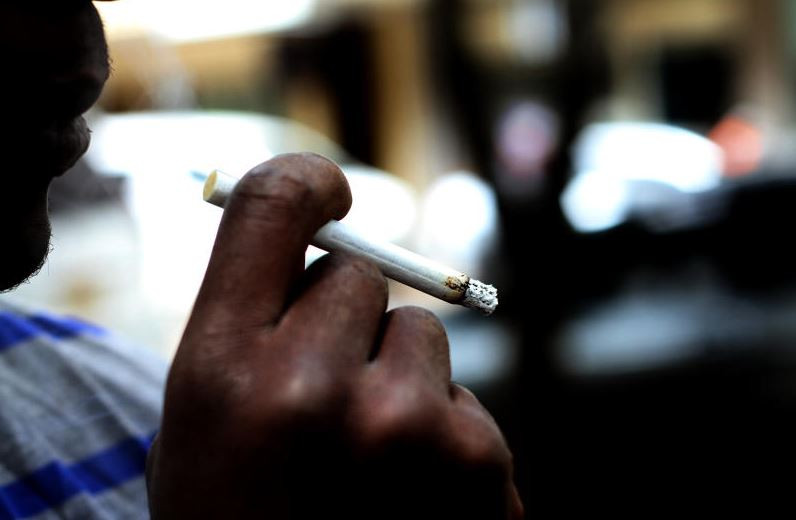
Tobacco consumption is a major public health concern in Kenya, claiming an estimated 12,000 lives every year and contributing to the country’s burden of cancer and other Non-Communicable Diseases (NCDs).
According to the 2024 Data on Youth and Tobacco in Africa (DAYTA) survey, about 244,000 adolescents (2.5%) in Kenya currently use tobacco or nicotine products. The survey found a gender gap: 3.3% of boys reported current use compared to 1.8% of girls.
Early tobacco use poses a serious health and developmental threat. Beyond the immediate respiratory effects, nicotine dependence establishes itself rapidly among the young, locking them in life-long addiction. The consequences often emerge years later; heart disease, cancers, and chronic respiratory conditions trace their roots to early exposure.
Kenya ratified the World Health Organization Framework Convention on Tobacco Control ((FCTC)) in 2004 and enacted the Tobacco Control Act in 2007. Yet the country has not fully utilised tobacco taxation's potential to reduce consumption and related diseases. While public education, advertising restrictions, and cessation programmes are important, price remains the most effective lever.
Experience from countries such as South Africa, France, the United Kingdom, and the Philippines shows that sharp tax hikes curb consumption faster and more reliably than any other single intervention.
The Kenya Tobacco and Nicotine Tax Coalition (KTNTC) continues to advocate for stronger fiscal measures to bring down consumption and, in turn, reduce the toll of tobacco-related disease. Higher taxes push up retail prices, making tobacco products less affordable, particularly for youth and low-income users, the groups most sensitive to price. Research suggests that a 10% rise in cigarette prices cuts youth smoking by roughly 6%.
In addition to its health benefits, taxation offers a fiscal dividend. Additional revenue could be channelled into healthcare and NCD prevention, creating a virtuous cycle: fewer smokers, lower disease burden, and stronger public finances.
According to the WHO, Kenya’s total tax share on cigarettes currently stands between 70% and 74% of the retail price; close but still shy of the 75% benchmark recommended for maximum health and fiscal impact. The gap represents a missed opportunity to save lives and unlock sustainable health financing.
Implementation remains uneven. Illicit trade and cigarette smuggling undercut the effects of tax policy, flooding the market with untaxed, cheaper products. Meanwhile, industry lobbying and selective economic arguments have slowed reforms. The persistence of low-cost brands and rising disposable incomes further dilute the impact of existing tax increases.
A uniform specific excise tax, a fixed amount per cigarette, would simplify administration and ensure that all brands rise in price equally. Setting this rate high enough to lift Kenya’s tax share above 75% would align the country with WHO recommendations while boosting revenue.
To prevent substitution, all nicotine and tobacco products should be taxed according to their cigarette-equivalent units. Strengthening track-and-trace systems, stamping, and customs enforcement would help curb illicit trade and safeguard both revenue and health gains.
Finally, a portion of the increased tax proceeds could be set aside for cessation services, primary healthcare, and NCD prevention. This would transforming fiscal policy into a direct instrument of public health.
Kenya has the legal and policy foundations for a tobacco-free future. What remains is the political will to price tobacco out of reach. By adopting a comprehensive taxation strategy, Kenya can align with global best practice, cut smoking rates, save lives, and generate the sustainable revenue that public health urgently needs.