
Healthcare sits at the intersection of human wellbeing and economic productivity.
Yet among many Kenyan communities, it remains both indispensable and out of reach, a paradox that shapes outcomes long before patients enter a health facility.
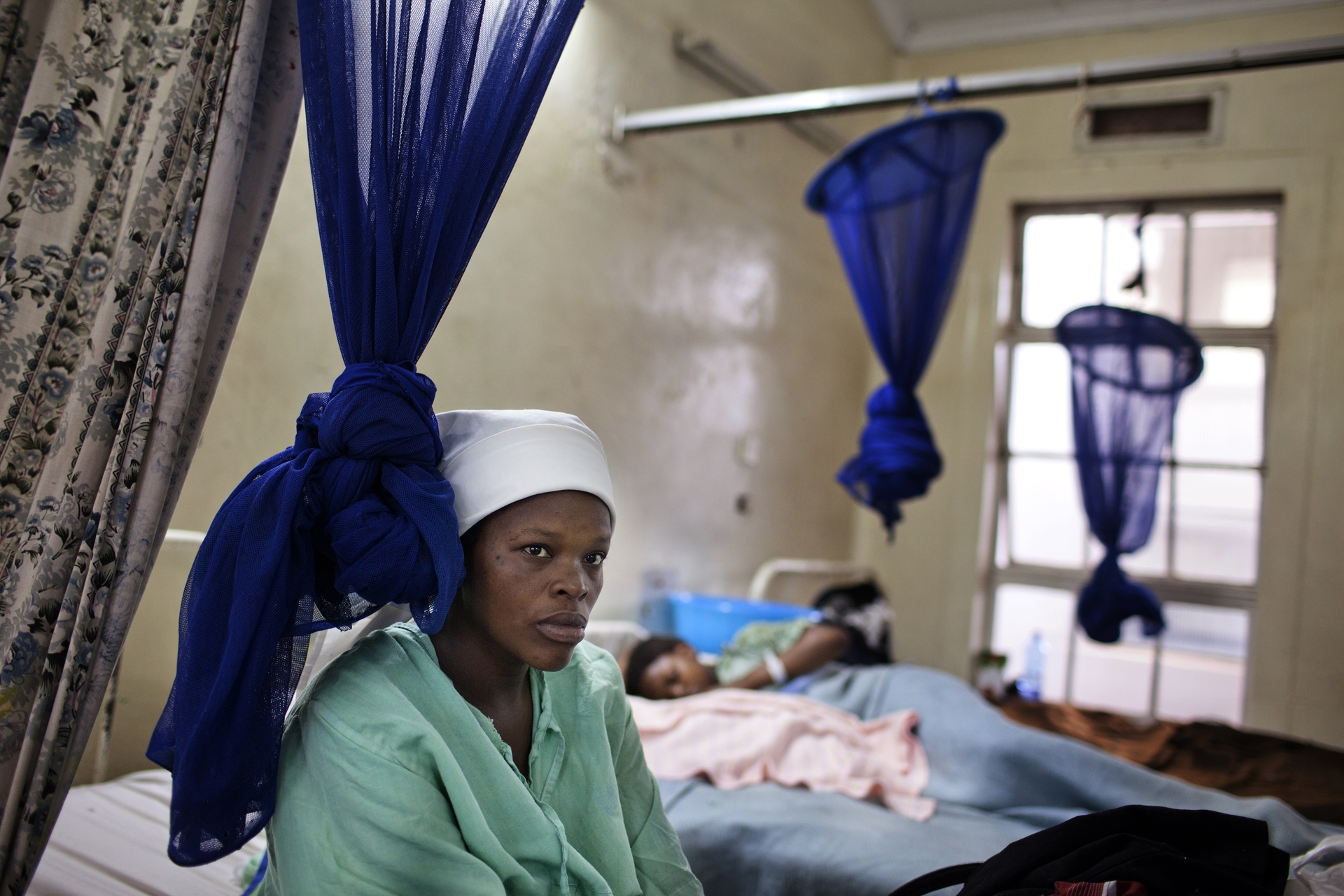
At the heart of Kamukunji, one of Nairobi’s most densely populated urban informal settlement, the Pumwani Maternity Referral Hospital has served women and children for nearly a century.
Established in 1926, the hospital is both a historical institution and a working pillar of Kenya’s public-health infrastructure, having delivered generations of citizens, including several of the country’s leaders.
Today, Pumwani largely serves vulnerable women. These are young, low-income, or socially marginalised women, for whom motherhood arrives amid economic precarity. For these women, the hospital has become a stabilising force, offering not only safe deliveries but a continuum of maternal care that extends beyond childbirth.
Yet structural challenges persist. Teenage pregnancy rates in Kamukunji remain high, while oral health, despite its strong links to nutrition, infection, and maternal outcomes, is often neglected.
Dental care is typically sought only when pain becomes intolerable, by which point treatment is more complex and costly.
In November 2025, Pumwani Hospital sought to address these gaps through a three-day Open Day for Expectant Mothers and Dental Care Services.
The initiative combined maternal health education with subsidised oral healthcare, targeting residents of Kamukunji and neighbouring areas who routinely delay or forgo care due to financial and social constraints.
Ahead of the event, Community Health Promoters conducted targeted sensitisation, distributing flyers and engaging households to raise awareness. The effort ensured that expectant mothers and community members understood both the availability and scope of services offered.
Participants accessed an integrated package of care, including subsidised dental consultations, extractions, fillings, cleanings, denture and orthodontic assessments, alongside health triage, dental screening, nutrition counselling, and antenatal and postnatal education. A blood donation drive complemented the clinical services.
A fashion showcase organised by Mommy Glow Fashion House celebrated pregnancy and motherhood, offering participants a rare moment of visibility and confidence within a healthcare setting often defined by urgency and constraint.
The Open Day had a strong attendance, underscoring the latent demand for affordable preventive care. Complicated dental and medical cases identified during the event were referred for further diagnosis and specialised treatment within the hospital.
However, some attendees misunderstood the subsidised fee structure, expecting all services to be free. Others brought infants for dental treatment, requiring redirection to routine paediatric service days. These gaps pointed less to resistance than to the limits of public-health communication in overstretched urban settings.
Organisers noted the need for clearer messaging on service scope, costs, and scheduling, alongside more comprehensive planning for future outreach.
Sustained education, particularly around oral health and adolescent pregnancy, remains essential if short-term interventions are to translate into durable gains.
Pumwani’s Open Day demonstrated the value of integrating maternal and oral healthcare at the community level. By pairing prevention, education, and subsidised treatment, the initiative illustrated how modest, well-targeted interventions can strengthen health outcomes for women and families in informal urban settings.
Health, after all, is not merely a social good; it is the lubricant of economic life. Ensuring access to quality care is not charity, it is a huge investment.
Report by Stephen Singano